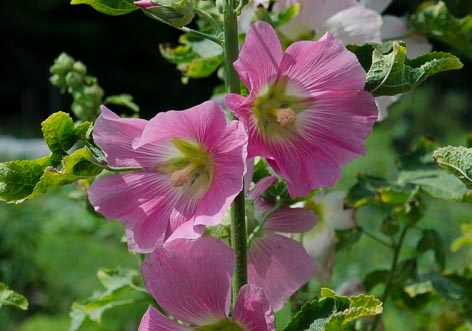
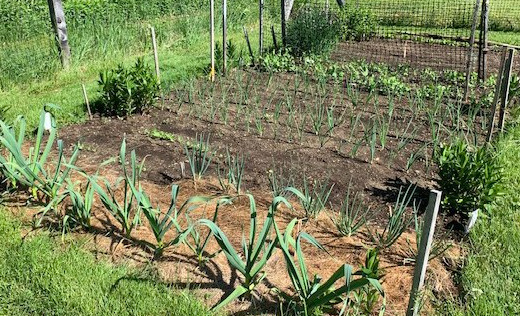
Our 135 Rental Plots are each 10’ x 10’ in size, with excellent organic soil, a sunny location, a deer fence, and a convenient water supply — plus a unique opportunity to meet and learn from fellow gardeners.
Annual rental rate:
$40 per 10’x 10′ plot for Yarmouth residents
$43 for non-residents
Register for plots:
You can sign-up in person at Yarmouth Community Services, by phone at 846-2406, or online @yarmouthcommunityservices.org. If you have any questions about rental plots,
please contact the renters’ garden coordinator, Denise Compton or call 846-9002
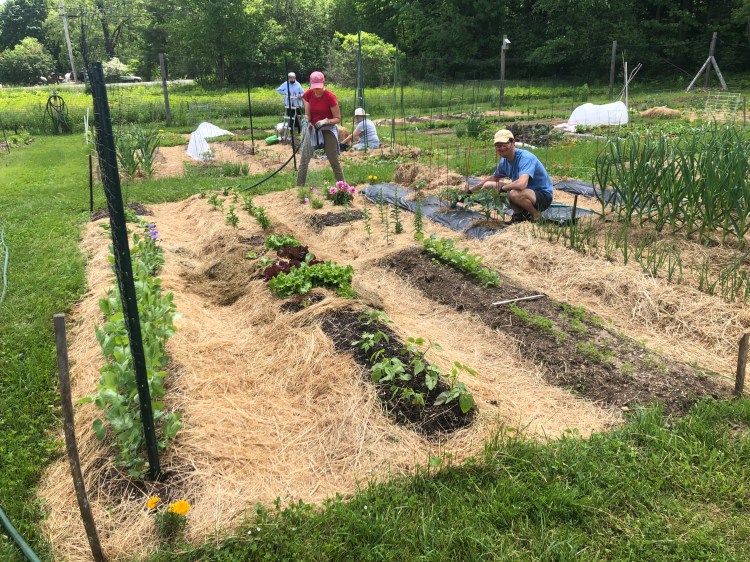
YCG 2026 ORIENTATION FOR RENTERS
What We Supply:
- Deer fence
- Compost – one small red wheelbarrow load per plot, if needed
- Watering system complete with hoses and nozzles
- We support no tilling, and we provide a broad fork for renters to use
- Tools and wheelbarrows for borrowing
- Row cover (a lightweight fabric to protect specific young seedlings) and hoops
- Beehives
- Hay bales for mulch (for a small cost)
- Lots of advice and garden wisdom
- Garden Greetings: Email updates about workdays, garden pests, and other useful info.
Required Volunteer Service Hours:
Each renter is required to volunteer in the Community Food Garden, or Children’s Garden based on the number of plots rented. If you have one plot or more and do not complete your hours, we may allocate your plot to someone on the waitlist the following year.
6 hours/10×10 plot
1 plot-6 hours
2 plots-12 hours
3 plots-18 hours
4 plots-24 hours
There are many opportunities to volunteer and jobs for every ability level. Please contact Denise Compton, Bob Fowler, or Callie McMaster if you have questions.
Rules and Regulations:
- Be a good neighbor. Plots need to be well-tended throughout the season, including weeding, pest control, and harvesting.
- No chicken wire, pressure treated, painted or other treated wood.
- No smoking or pets in garden areas.
- No wood chips permitted in the renters’ garden (hay, straw and leaves can be used for mulch and pathways.) Newspapers and brown bags under the mulch can help with weed control, and moisture retention.
- No use of transfer station mulch.
- Always check the YCG’s acceptable and unacceptable fertilizer/soil amendment and pest control product list in the renters’ shed. When in doubt, please ask.
- Do not create shade on your neighbor’s plot.
- No corn
- Plant only dwarf sunflowers
- No invasive plants in the ground. i.e. if you plant mint, put it in a pot and sink it in the ground.
- Plots must be cleared of all leftover plant material, structures, plastic tape, and stones by October 15.
Inside the Renters’ Shed:
- Small gardening tools, shovels, hoes, rakes, etc
- Seed swap – if you have extra seeds you can’t use, tuck the packet in a pocket on the inside of the door.
- Lost and found.
- Volunteer Hours Binder: renters are required to record their volunteer hours
- Renters’ plot map labeled with plot number and renters’ names.
- Bulletin board for garden information and sign-up sheets for mowing.
Getting Started:
Plots must be started by June 1. If you have not started your plot by June 15, we reserve the right to reassign that plot to someone on our waiting list, or to use the plot to grow vegetables for donation. If you need to abandon your plot anytime during the season, please contact Denise. Note: you will need to clean out your plot before you leave.
Plot Maintenance:
- Buy good quality seedlings. Bumbleroot Farms, Estabrooks, Allen Sterling & Lothrop and Skillins offer good options for purchasing seedlings. Try to avoid purchasing from big box stores.
- Johnny’s Selected Seeds, Fedco, and Pinetree Garden Seeds are good options for purchasing seeds.
- Mark off your plot boundaries so you don’t spill over into a neighbor’s plot, with the yellow plastic tape found in the renters’ shed. Measure your plot (it should be 10’x10’) and reclaim any lost garden area if grass has encroached into your plot.
- Plots need to be well-tended throughout the growing season, including weeding, pest control and harvesting.
- Our soil is quite sandy and can dry out quickly. It’s important to pay attention to watering, especially when your seedlings are young or newly planted seeds.
- Cover your cucumber and squash seedlings with row cover to help prevent squash and cucumber beetles. Please check your plants regularly for bugs and remove/squish them. Remove the row cover when the plants begin to flower. Greens and kale can also be covered with row cover to help prevent flea beetles. If you plant potatoes, pay special attention to potato beetles and squish daily.
- Vine plants such as pumpkins and squash take up a lot of room. Keep vines from growing into the pathways and into your neighbor’s plots.
- If your plot is wet, avoid walking all over it. Soil is supposed to be 25% air. Walking on wet soil will compact it, making it difficult for roots to grow. Plan walkways within your plot so you can avoid stepping on planted areas. It will also give you room to harvest and weed.
- Consider which hose you’ll use to water your plants, and if necessary, put sturdy stakes on the corners of your plot to serve as hose “guides” to protect your, or your neighbor’s, plant
- Think about planting lettuce seeds, other greens, radishes, and beans in two or three plantings several weeks apart. You can also start another round of greens in late summer for harvest in early fall when temperatures begin to drop.
- When you plant, you can add a slow-release organic fertilizer. Or you can side-dress with fertilizer once the plants have emerged and again later in the planting season.
Steering Committee Members:
Denise Compton – Renters’ Garden coordinator dcompton@maine.rr.com 207-846-9002
Callie McMaster – Children’s Garden coordinator
Bob Fowler-Community Food Garden coordinator
Wendy Barmore – YCG Steering Committee
Becca Peixotto-YCG Steering Committee
Ellen Walsh-YCG Steering Committee
 Yarmouth Community Garden